
Online Textbook
Building Language AI: From Tokens to Agents
A practitioner's guide to large language models, retrieval-augmented generation, fine-tuning, and agentic systems.
These book manuscripts synthesize lessons from applied research, course design, and three decades of system building. Each draft is open and continuously updated. Shorter writing lives under blog posts.
Each volume aims to give a complete treatment of its subject, combining the theoretical concepts with the modern, practical tools a working practitioner actually uses. Every book is domain-focused: the AI theory and tooling for a single domain or data type, from language and vision to audio, tabular data, and quantum.
The books are not meant to be read cover to cover. Each is a focused, self-contained reference: a place students in the matching course can look things up, a resource instructors can build on when preparing a course, and a compact but complete treatment of a specific subject for practitioners who need one.
They are written by a company of AI agents under heavy human supervision and steering, working together so each book stays enjoyable and readable, with many worked examples, step-by-step explanations, and dense cross-references. Meet the writing team →
Complete editions, available to read online.
Online Textbook
A practitioner's guide to large language models, retrieval-augmented generation, fine-tuning, and agentic systems.
Online Textbook
Computer vision end to end: classical image processing, convolutional networks, and modern generative models.
Online Textbook
A practitioner's guide to distributing data, training, inference, and coordination across many machines.
Online Textbook
Temporal AI end to end: time-series forecasting, sequence modeling, and sequential decision making.
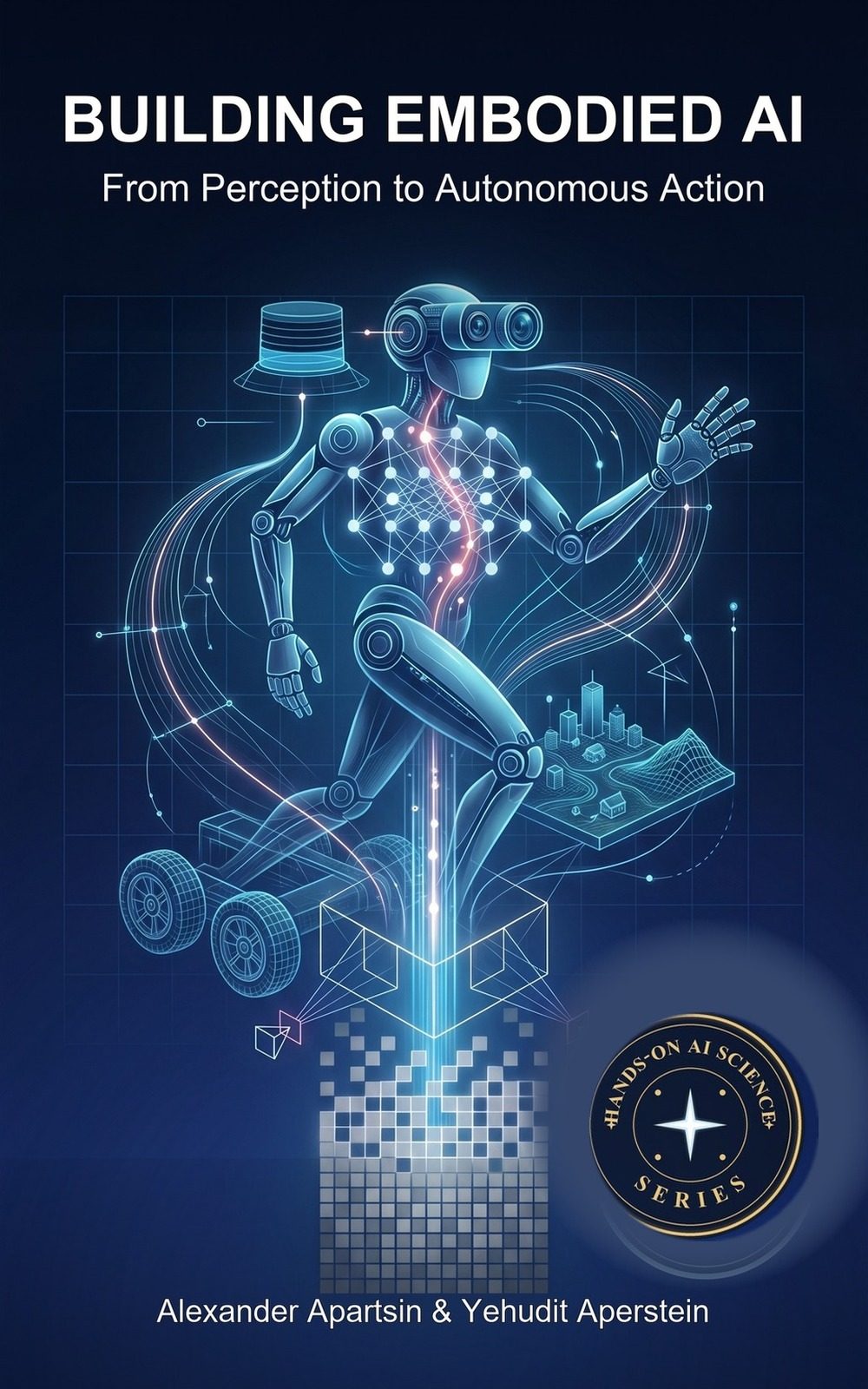
Online Textbook
A practitioner's guide to systems that act in the physical world, spanning simulation, reinforcement learning, learning from demonstration, perception, world models, manipulation and locomotion, and safe deployment.
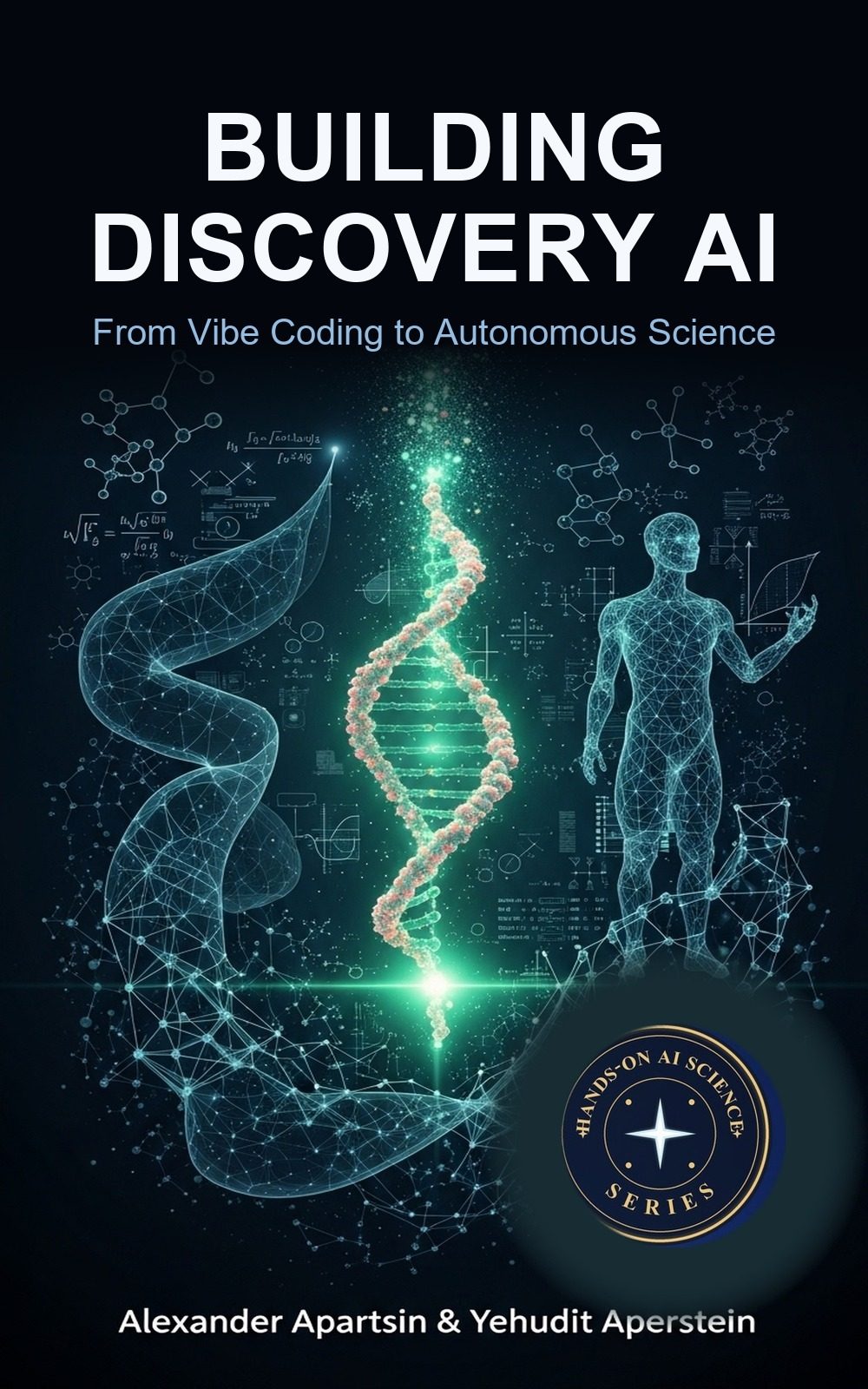
Online Textbook
AI systems that accelerate scientific research: vibe coding as engineering practice, scientific foundation models, literature mining and hypothesis generation, autonomous discovery pipelines, and self-driving laboratories.
Work in progress. These are being written and revised, so chapters may be incomplete or change.
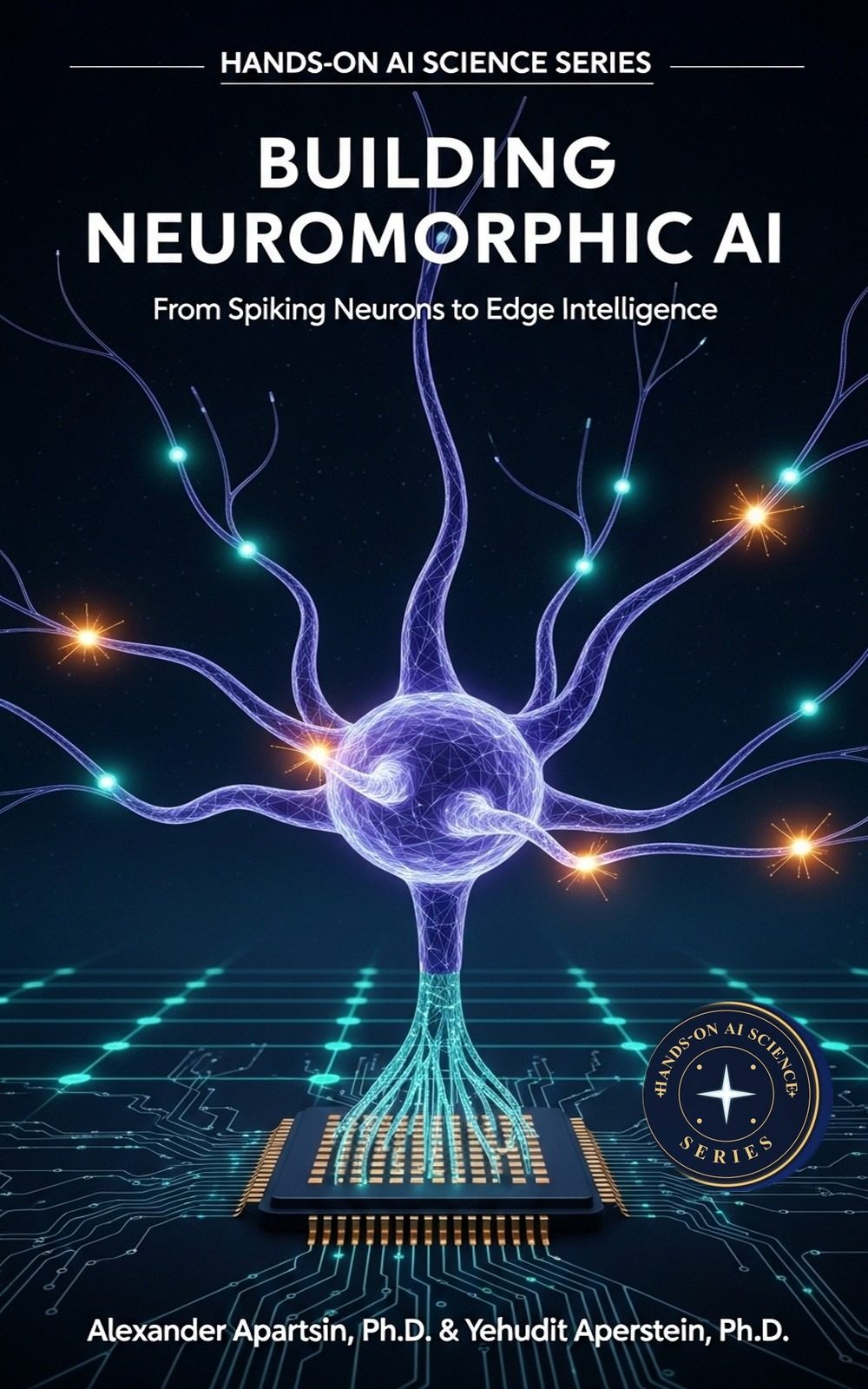
Online TextbookDraft
A practitioner's guide to brain-inspired AI: spiking neural networks, neural coding, learning algorithms, neuromorphic hardware such as Loihi 2 and SpiNNaker, event-based sensors, and edge deployment.
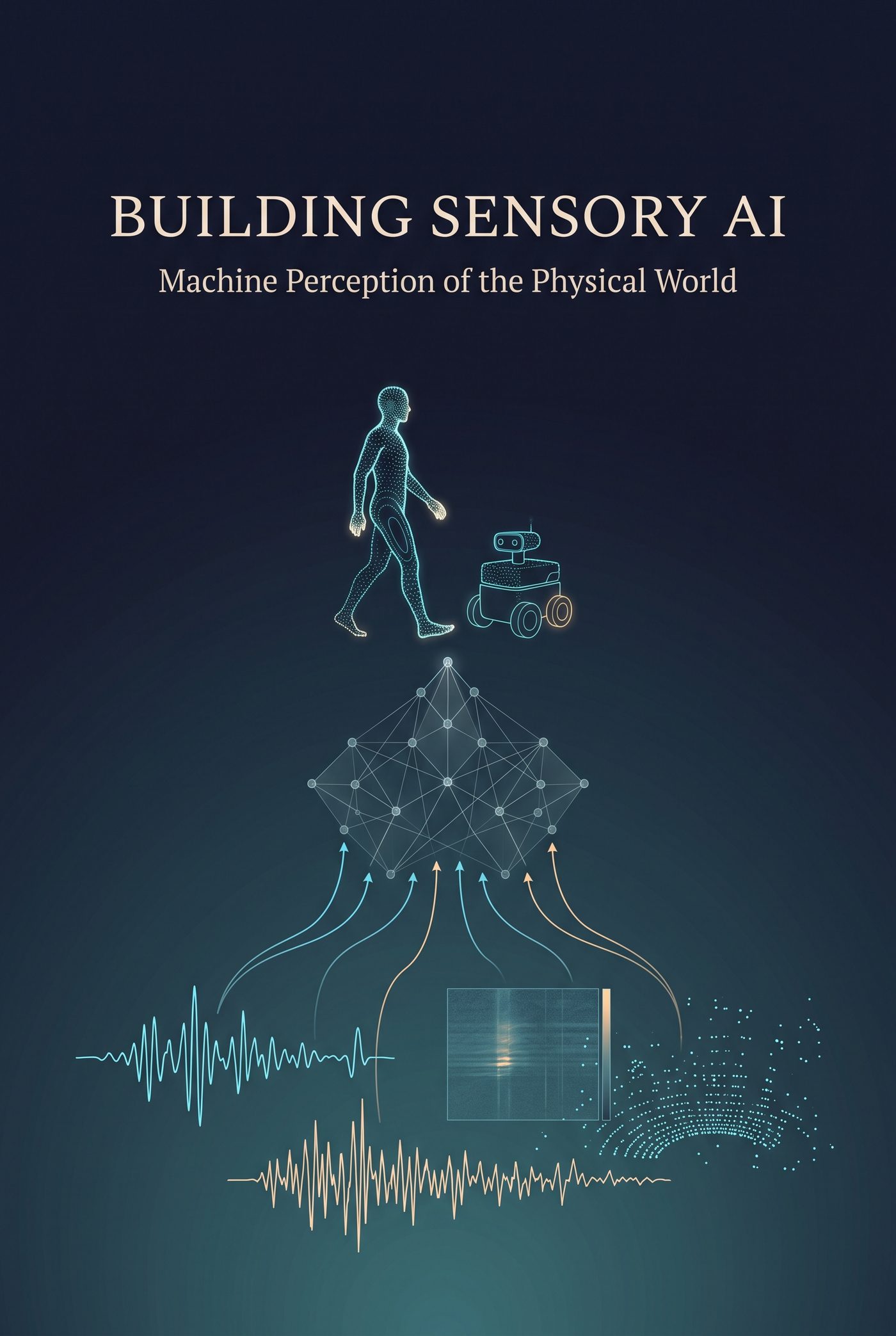
Online TextbookDraft
The full sensing pipeline across inertial, vibration, radar, lidar, depth, thermal, event, RF, tactile, and biomedical sensors: signal processing, state estimation, deep learning, multimodal fusion, and edge deployment.
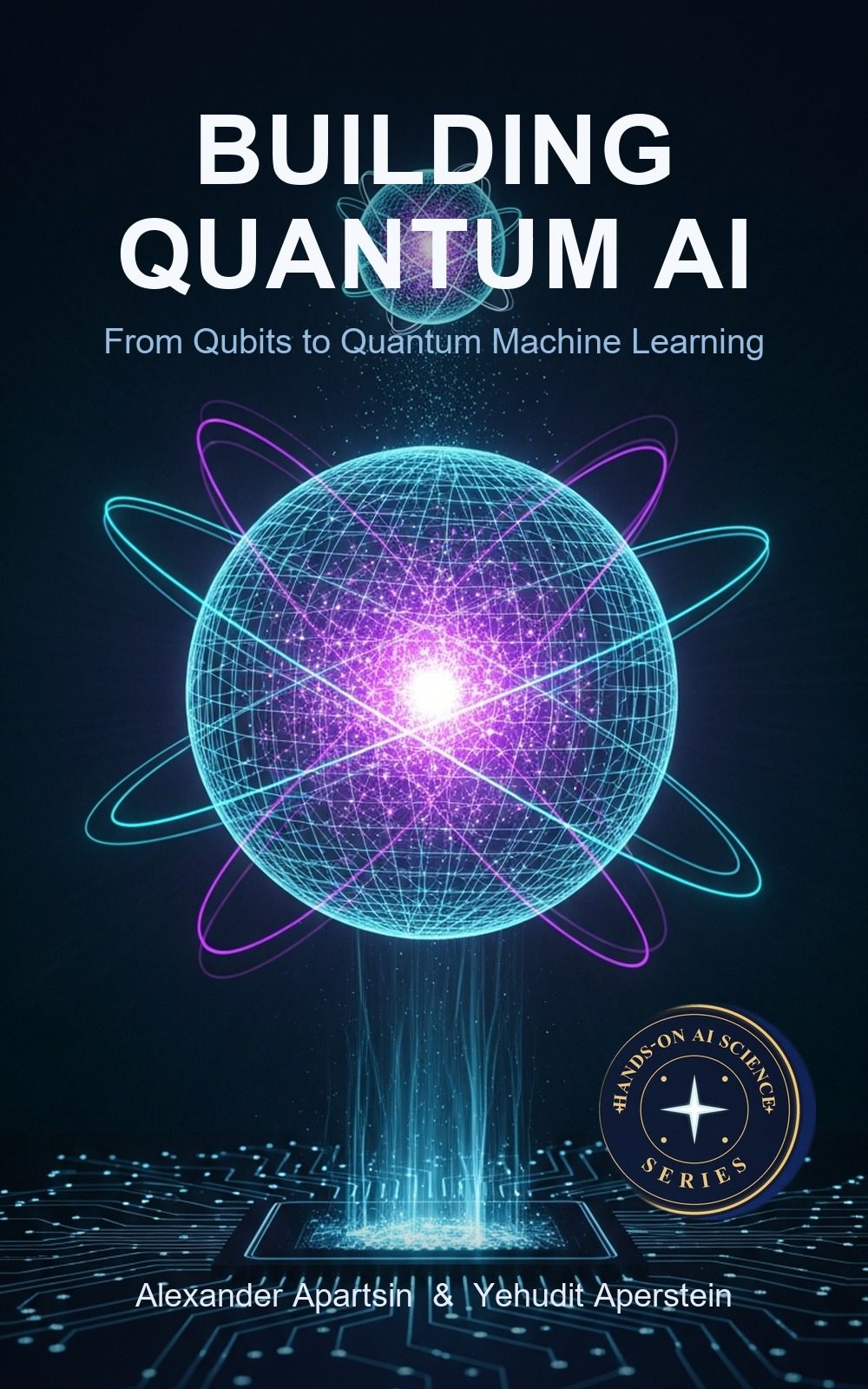
Online TextbookDraft
A practitioner's guide to quantum computing for machine learning: qubits and gates, quantum circuits, variational algorithms, quantum kernels, and near-term quantum machine learning on real hardware.
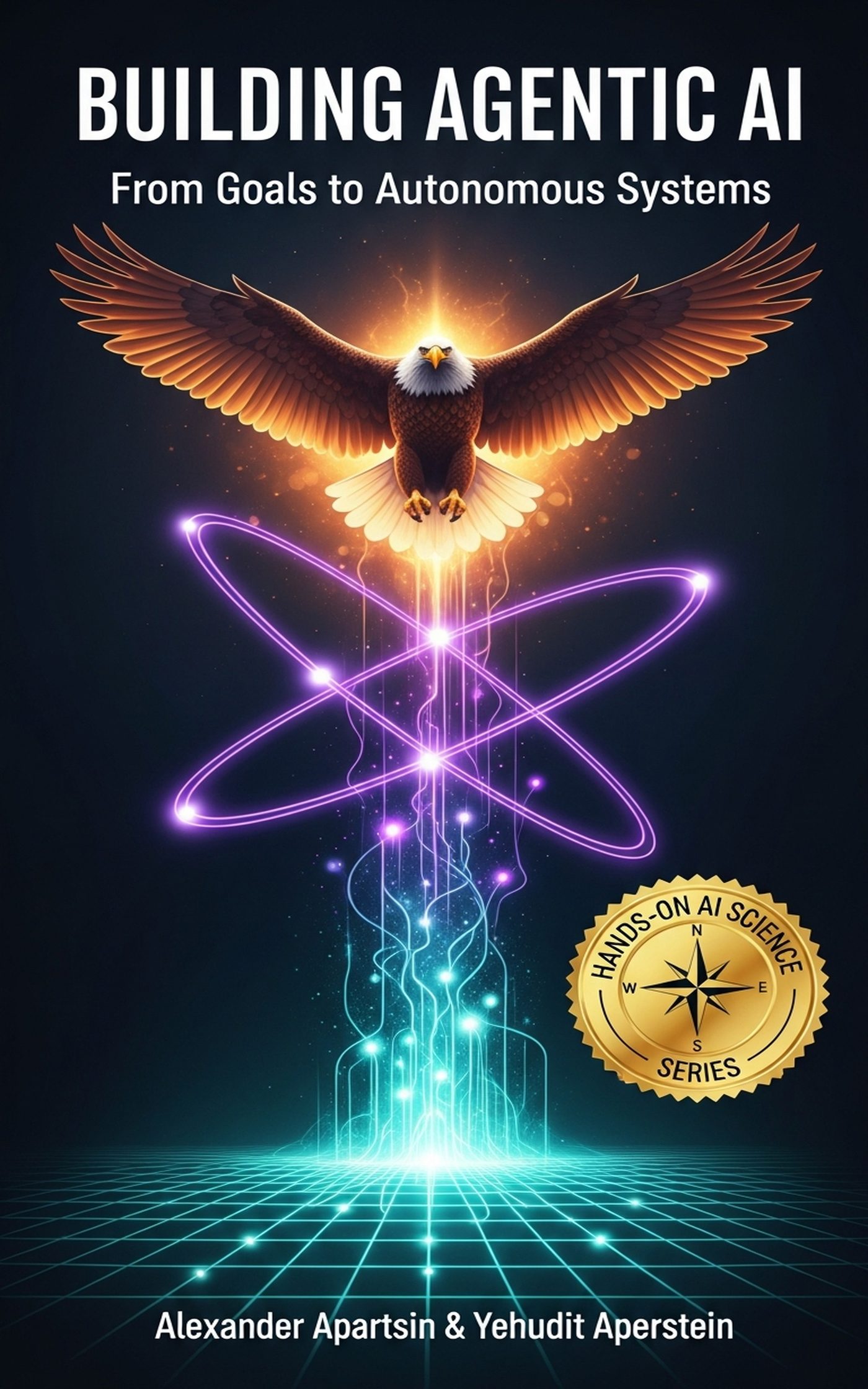
Online TextbookDraft
A practitioner's guide to building autonomous AI agents: goal-directed reasoning, tool use, planning and memory, multi-agent coordination, and reliable deployment of systems that act on their own.
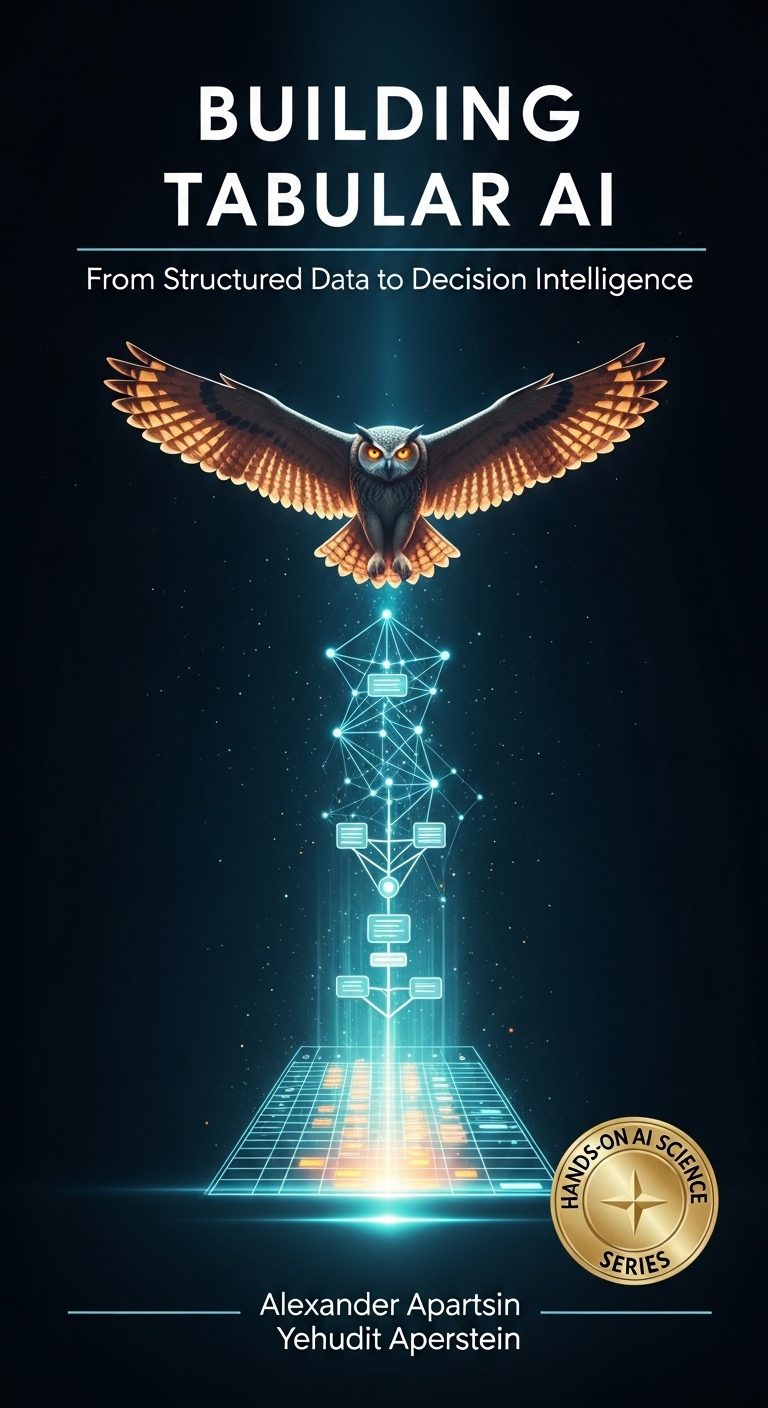
Online TextbookDraft
A practitioner's guide to machine learning on structured and tabular data: feature engineering, gradient-boosted trees, deep tabular models, time-aware and relational data, and putting predictions to work for decisions.
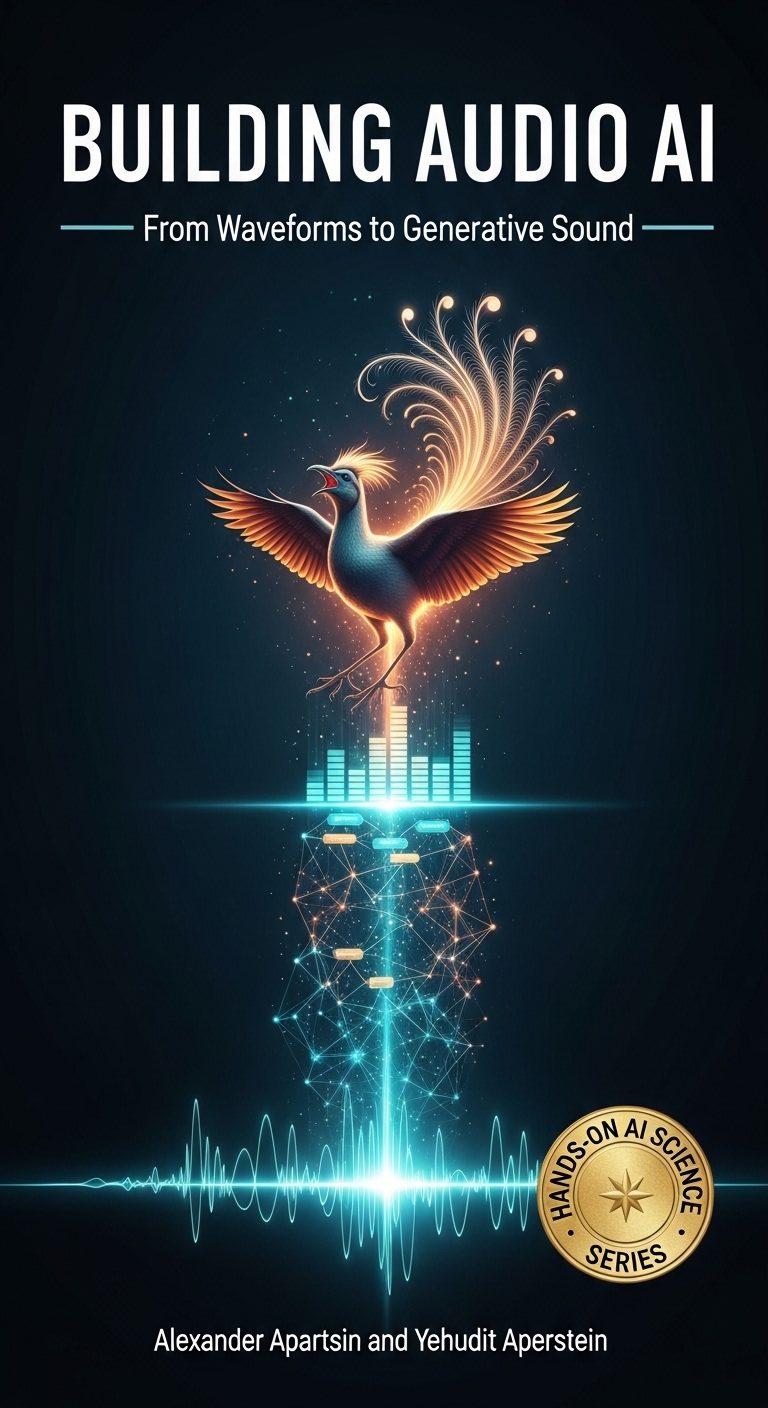
Online TextbookDraft
A practitioner's guide to machine learning on sound: digital signal processing, spectrograms and audio features, speech recognition and synthesis, music and environmental sound, and modern generative audio models.